Bring shore expertise on board.
Put the shore specialist’s service method in the vessel’s layout. Leave the completed steps and open questions with the job, so the next watch can continue.
Request a demo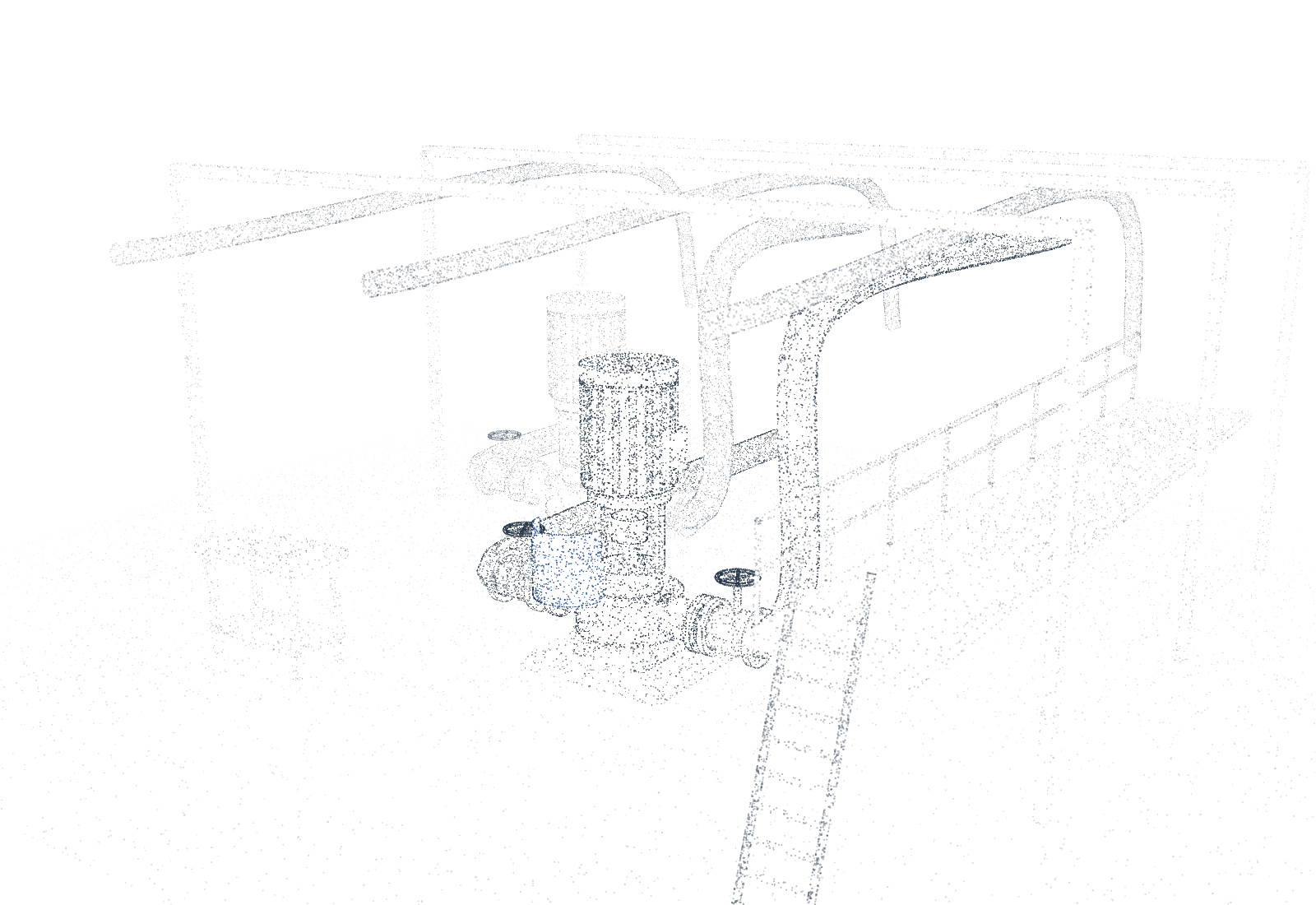
Piping and working space change the approach on board. Show the crew how the demonstrated step relates to its own engine room.
Keep shore advice and the original demonstration available at the equipment.
Carry common steps to another vessel and review its piping, mountings and access.
Show the incoming crew where work stopped, which checks are complete and what remains open.
Choose an approved crew-serviceable pump or drive task. Review the shore specialist’s demonstration against the vessel’s equipment and engine-room layout.
The physical explanation and work record stay together when the crew changes. Test whether that reduces repeated calls and avoidable service visits.
Keep the service instruction and shore demonstration together. Review the piping and mountings that affect the approach on board.
The crew can revisit the component and movement in 3D and AR while following the agreed service step.
Show what is complete, where work stopped and which question still needs shore support.
What does this add to a shore call?
The physical explanation stays with the equipment. The crew can revisit it and pass it to the next watch.
Can sister vessels share a procedure?
Reuse the common equipment method, then have the technical owner review each vessel’s layout and access.
What can we test first?
One approved crew-serviceable task. Agree connectivity needs and measure correct completion, repeat shore calls and service visits avoided.