Make chamber service repeatable.
Show the liner’s removal path, orientation and seating in the chamber being serviced. Keep the specialist’s demonstration and the reviewed service sequence together.
Request a demo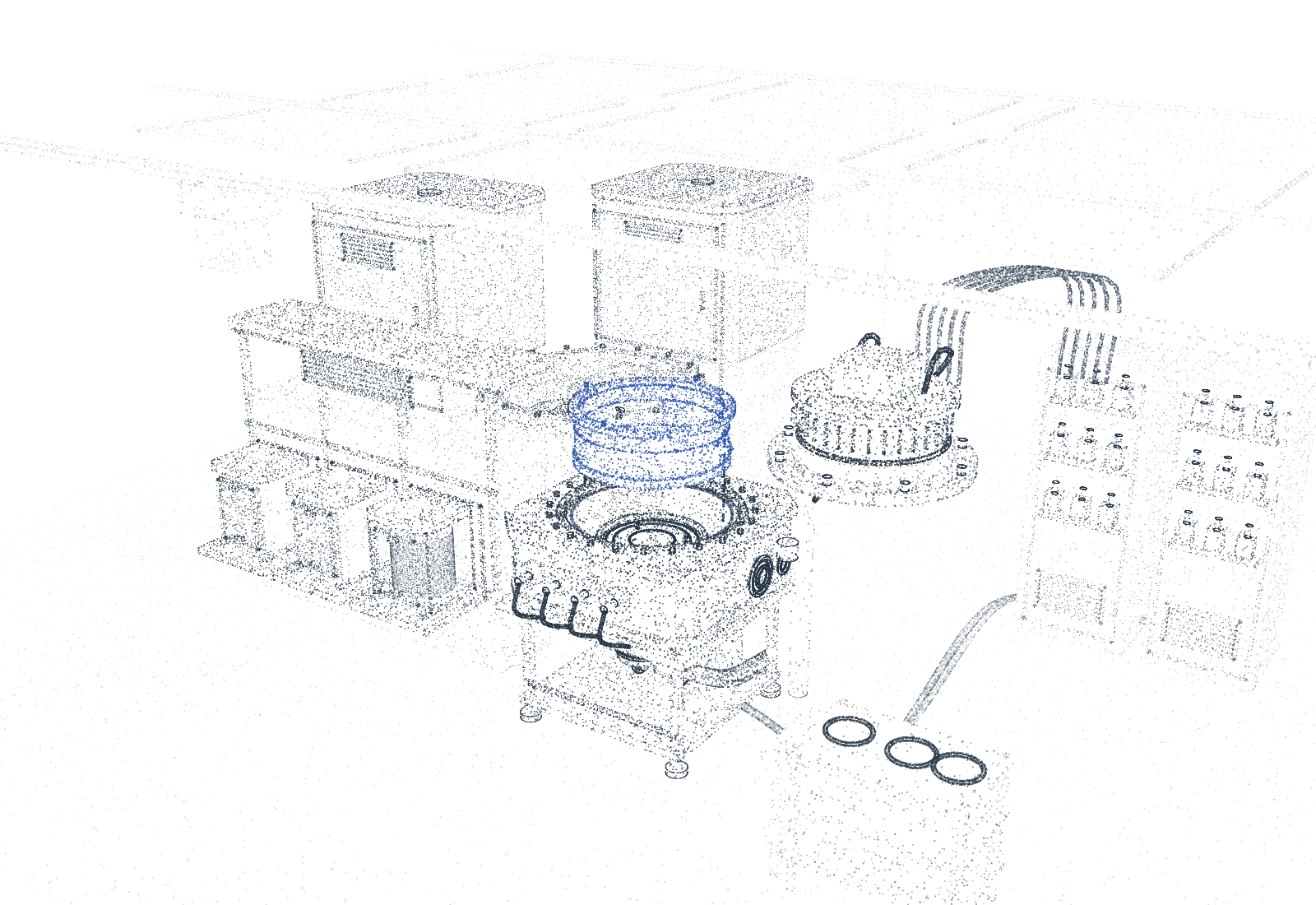
A liner’s seating and orientation can be difficult to see from one camera angle. Let the technician inspect that relationship in 3D before repeating the step.
See how the liner clears the chamber, with the source demonstration available for handling details.
Show the replacement component against its seat and surrounding hardware.
Carry common steps to another tool and review the configuration differences.
Start with liner replacement on a defined tool configuration. Equipment engineering reviews the mechanical service steps and their source references.
A repeat service should not need another explanation of the same liner or seat. Compare repeated corrections and specialist support; assess testing and qualification separately.
The chamber reference, component and source instruction stay with the service procedure.
Inspect the liner’s path and seated position from another angle. Revisit the demonstration when the handling technique needs explaining.
See which service checks were recorded, which procedure was used and what remains open for the next technician.
Which part of downtime does this address?
Service execution and reassembly. Track qualification separately to see whether a shorter service actually returns the tool to productive use sooner.
Does this verify process readiness?
The model explains the method. Cleanliness, leak testing and process qualification still require their approved instruments and acceptance checks.
Can the procedure move to another tool?
Reuse the method where the equipment matches. The technical owner reviews configuration differences before the next team uses it.